
Wheat: Heat-Driven Rally Shakes Global Markets
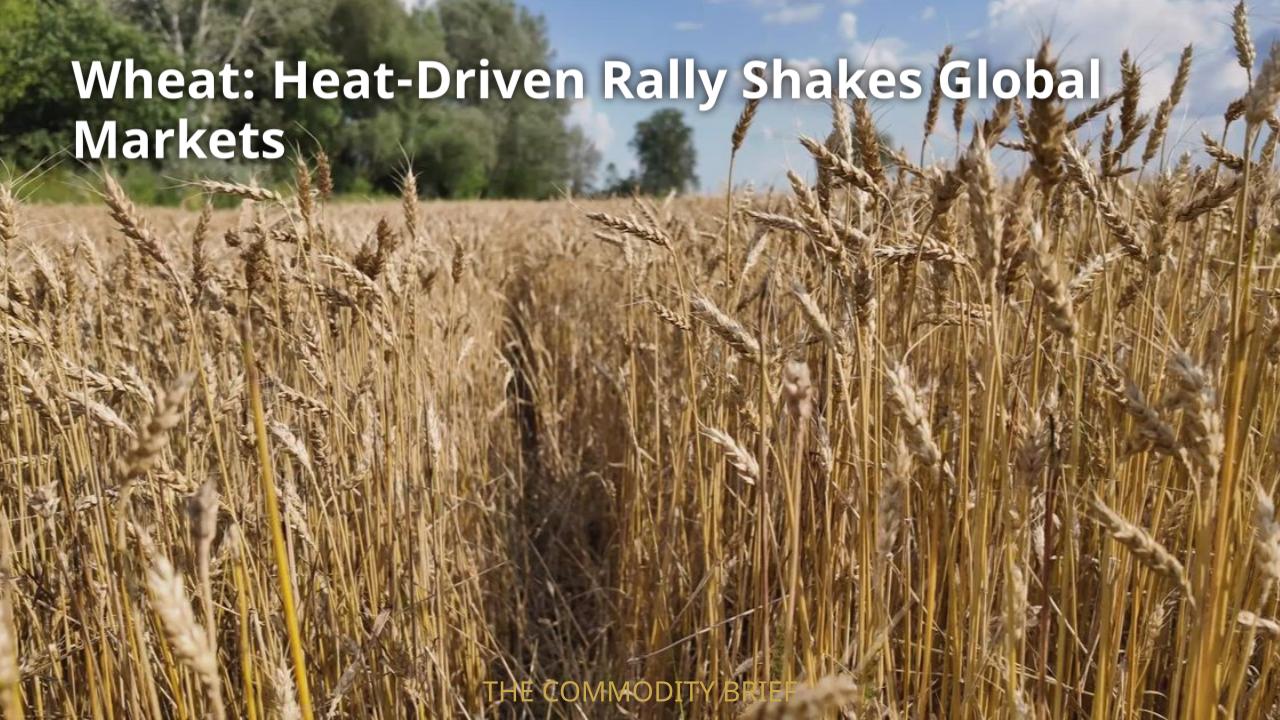
Wheat sits at the intersection of food security and inflation dynamics. A heat-driven drought in key growing regions and northern-hemisphere heat waves are pushing prices higher even as global demand holds firm. For traders, farmers, and food processors, the wheat market is a living weather map and supply ledger rolled into one—where a single heat spike can ripple through feed costs, bakery margins, and fertilizer timing. Understanding these linkages helps explain why markets stay nervy when heat intensifies.
Global Weather Signals and Wheat Supply
Across the globe, the weather story is straightforward in its consequence: persistent heat and dry soils have trimmed yields in major wheat belts—from the U.S. Plains to the Black Sea region. With stocks thinning and demand resilient, the price ladder tends to rise when heat spikes collide with disappointing harvests. Farmers slow sowing, divert to less water-intensive crops, or harvest smaller kernels, all of which tighten the supply picture. The result is a price environment that moves higher on heat alerts and lower-than-expected harvests, feeding into quarterly earnings and policy anxieties alike.
Historical Context: Climate Cycles, Policy, and Prices
Wheat prices have long cycled with weather, policy, and disease. The commodity has swung from modest levels to double-digit highs during shortages, illustrating how climate risk embeds itself in cost structures. The early 2010s drought in the United States and Black Sea tensions propelled futures above $10 per bushel, triggering export controls and farm-budget reallocations. Since then, supply chains have diversified, yet climate risk remains a persistent price driver. The market has learned to translate heat signals into anticipatory risk models—an evolution that makes today’s price moves more sensitive to weather forecasts than ever before.
Price Transmission: From Field to Fork
Markets are pricing heat into every link of the chain. Wheat futures have moved higher, intensifying backwardation and strutturing ripple effects that touch feed costs, bakery margins, and even fertilizer timing. Asset managers across the spectrum—exchanges-traded funds, options desks, and hedge funds—adjust risk models as volatility ticks higher. Banks reassess collateral, farmers price crop insurance, and mills lock in contracts to avoid supply surprises this summer. The price signal in wheat also interacts with related markets: corn and soybeans often drift with wheat, while energy prices are influenced by biofuel demand linked to grain.
Who Feels the Heat
The impact of wheat price dynamics is broad, affecting every link in the food and finance chain:
- Farmers: face higher input costs and volatile revenues; occasionally benefit from tighter margins and improved loan terms when futures rise, but risk margin erosion if crops fail.
- Milling and food-processing companies: adjust procurement strategies and pass some costs to consumers, balancing inflation optics with demand.
- Retailers and consumers: encounter inflation pressures at the shelf, with regional tightness in supply amplifying price sensitivity.
- Governments and insurers: weigh export curbs, subsidies, and crop coverage changes in response to evolving climate risk.
- Investors: recalibrate across equities, commodities, and currencies, with some tilting toward inflation hedges and real assets linked to climate trends.
Geopolitics and Macro Forces Shaping Wheat
Beyond weather, geopolitical tensions and macro forces steer the momentum. Russia and Ukraine remain major grain exporters, and sanctions or blockades affect trade routes, prompting buyers to seek alternatives and faster logistics. Policy shifts in large producers—China, India, and the European Union—influence fertilizer costs, energy demand, and crop rhythms. Global inflation remains sticky, as central banks weigh rate paths against food price shocks. A favorable monsoon or a bumper harvest in major belts can ease risk premia, but even small supply surprises can trigger outsized moves due to the interconnected nature of modern supply chains.
Smart Money, Hedging, and Market Structure
Institutional capital has shown a willingness to lean into climate-driven scarcity, with hedgers and speculators exploiting heat risk through options and spread strategies. Hedge funds deploy skew trades and spreads to capture the differential price risks produced by heat, while pension funds tilt toward inflation-linked exposures in agricultural land or commodities. Banks adjust credit lines to farmers and mills, and diversified grain ETFs provide broad exposure for investors seeking to avoid single-crop concentration. In recent quarters, risk-parity and macro managers have increased allocations to commodities, signaling a belief that climate-driven scarcity will persist as a pricing anchor.
Bearish and Bullish Scenarios: What Could Move the Market Next
Market participants should consider a balanced set of outcomes:
- Bear case: heat moderates unexpectedly, or a major belt experiences a bumper harvest, deflating current risk premia; policy reversals or drought-busting developments could trigger rapid selling and margin calls; higher interest rates or a global recession dampen demand and pressure producer margins.
- Bull case: continued heat, drought, or disease pressure tightens global stocks; logistics or export controls further constrain supply; inflation dynamics keep wheat prices elevated, sustaining volatility and hedging demand.
- Operational constraints and pests could complicate hedges, causing prices to drift away from farm-level realities and trigger dislocations in storage and contango risks.
Retail Investor Guidance: Navigating Wheat Heat Risk
Retail participants should approach wheat exposure with discipline and structure. Consider the following steps:
- Size exposure to risk tolerance: use diversified commodity ETFs or select agricultural equities to avoid overconcentration in single-name risk.
- Build a weather-aware, diversified basket: avoid overreliance on one crop; maintain exposure to other grains or related agricultural assets.
- Use hedging tools: implement stop losses or option hedges to manage downside while preserving upside potential.
- Stay informed: track USDA/FAO crop reports, rainfall forecasts, and logistics news weekly; rebalance as conditions change.
- Time horizon matters: long-term investors may benefit from patient positioning, as seasonality and climate trends often play out over multiple quarters.
Looking Ahead: What to Watch
Management of risk and climate awareness will continue to shape wheat prices in the coming months. Heat risks tend to create a floor for producers and a ceiling for consumers, but movements are not linear. Weather surprises, policy twists, and evolving trade routes will keep odds tilted toward ongoing volatility. Investors should monitor inflation sensitivity, cross-commodity correlations, and yield curves as clues to the next move. The overarching takeaway is resilience through diversification, disciplined capital allocation, and an informed view of seasonal dynamics.
Conclusion: Key Takeaways
The wheat market embodies how climate, policy, and macro forces intersect with food security and financial markets. A heat-driven squeeze can propagate through cost structures and market sentiment, influencing everything from farm economics to consumer prices. Yet the same dynamics that create risk also create opportunities for informed, diversified investors who manage exposure with discipline and a clear view of seasonality.
If you found this valuable, subscribe to The Commodity Brief for weekly insights on alternative assets and commodities.


