
Water: Why Scarcity Is Reshaping Markets
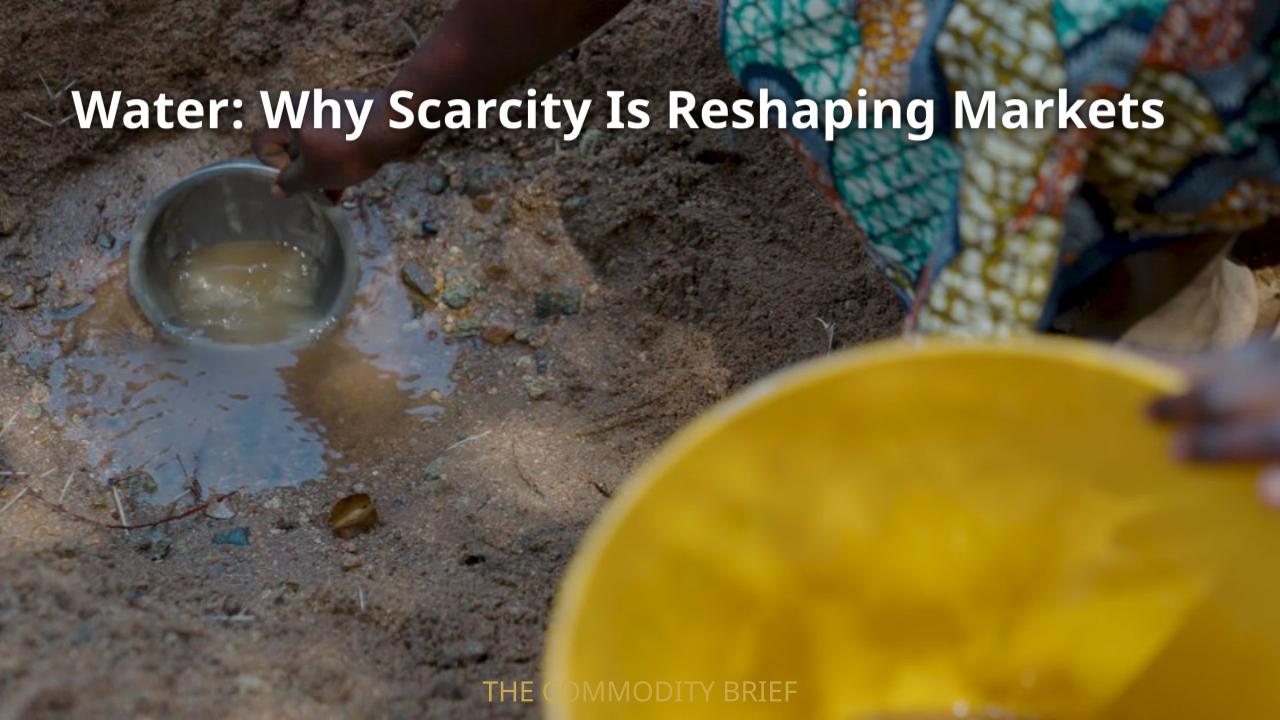
Water scarcity is more than a policy headline; it is a practical stress test for communities, farms, and industries across America. In a decade shaped by intensified droughts, shrinking reservoirs, and tough urban-rural tradeoffs, investors are learning to read water as a dynamic, regional asset with national implications. Climate shifts and aging infrastructure have turned a single acre-foot into a nationwide lever, influencing prices, balance sheets, and long-range planning across sectors. This piece expands on the script, weaving in data points, market mechanics, and the strategic considerations that accompany water as a diversified investment theme.
Foundations: Water Rights, Rivers, and Reserves
At the core of the water economy are legal entitlements to use a share of a water source—usually for irrigation, drinking, or industrial use. In many Western states, water rights are entrenched in history, geography, and seniority. The doctrine of prior appropriation—often summarized as “first in time, first in line”—grants senior users priority access during shortages. This creates a layered, sometimes contentious hierarchy of claimants as supply tightens.
Federal infrastructure projects in the 20th century—think large-scale damming and cross-regional transfers—reshaped supply by physically redistributing water across basins. Over time, climate variability, extensive groundwater withdrawal, and aging pipes have transformed water into a political and financial stress test. The result is a system where scarcity signals propagate through storage levels, forecast rainfall, and the price of access itself, rather than a conventional traded security.
Spot prices for water are not as widely published as crude oil, yet regional markets exist across the West. In drought years, irrigation districts auction allocations, trade credits, or lease water from farms to cities. The market develops price signals driven by weather risk, reservoir status, and interstate compacts rather than ticker tape alone.
Markets in Practice: How Scarcity Becomes Price
Water scarcity has evolved into a de facto commodity market. The mechanism is not a centralized exchange, but a network of trades across rights, quantities, storage facilities, and infrastructure projects. When supply contracts, the liquidity available to reallocate water shifts—banks, utilities, and agribusinesses become the counterparties to these sensitive trades.
Storage levels in critical basins, such as the Colorado River system, have historically influenced regional pricing and allocation decisions. The market responds to rainfall forecasts, snowpack measurements, and long-term reliability analyses, with droughts enhancing price discovery for access and storage capacity. This dynamic creates a persistent link between physical scarcity and financial signals, where access rights can trade like credits in a risk-management framework.
The Investor Landscape: Who’s Financing Water Security?
Water assets appear across a broad spectrum of investors and instruments, reflecting both hedging needs and long-duration cash flows. The ecosystem includes:
- Mutual funds and ETFs that track water-related assets or agriculture exposures, offering diversification but with liquidity considerations relative to traditional commodities.
- Banks and project finance models that price water infrastructure against coupon rates and scarcity assumptions, echoing energy-risk frameworks.
- Private equity and infrastructure funds pursuing storage facilities, pipelines, and groundwater rights, aiming for inflation-linked, long-dated cash flows.
- Public finance and municipal bonds that fund drought resilience, reuse facilities, and resilience-driven upgrades, attracting risk-aware buyers.
- Retail and community investor segments engaging through grassroots water efficiency initiatives and climate-focused equity exposure.
Across these channels, agriculture consumes roughly 80% of Western water, underscoring how farm revenue, crop mix, and land values are tightly coupled to climate forecasts. Utilities plan procurement and reliability strategies years in advance, while manufacturers and airlines face higher input costs if drought persists. This confluence of demand drivers helps explain why water-related assets attract capital looking for resilience and diversification in an era of climate risk.
Macro Trends, Risks, and Interdependencies
Water scarcity sits at the intersection of climate, population growth, and global supply chains. Drought stress in the Western United States ripples into food prices, supplier risk, and international trade as crops and commodities respond to scarce inputs. Global capital flows have begun to prioritize climate adaptation projects, desalination, and watershed restoration, while federal budgets strain to address aging infrastructure and drought relief programs.
Regulators debate a range of policy questions—from water reuse and cross-border agreements with Mexico to interstate compacts that determine who gets what, when. Insurance costs rise as flood and drought events alter correlated risk, necessitating better climate risk modeling. The macro backdrop is a reminder that scarcity is systemic, not regional alone. Pension funds, endowments, and sovereign-like investors increasingly view water infrastructure as a strategic asset class with inflation-hedging potential and predictable long-run cash flows.
Strategic Considerations for Investors: Navigating a Fragmented Market
Given the complexity and fragmentation of water markets, investors should approach with discipline. The following considerations help balance risk and opportunity:
- Diversification over concentration: Avoid betting on a single project or basin; diversify across storage, reuse, and distribution assets to mitigate policy and hydrological risk.
- Education and data-first approach: Track regional storage levels, rainfall forecasts, river compacts, and regulatory updates. Transparent, governance-driven operators are preferable.
- Liquidity-aware positioning: Water assets can be less liquid than traditional commodities; align exposure with liquidity windows and potential exit paths.
- Strategic hedging: Pair water equities with broader commodity or agricultural exposures to mitigate cross-asset risk and climatic volatility.
- Managed-risk frameworks: Use stop-loss discipline and avoid overconcentration in any single project or region.
Policy, Data, and the Path Forward
To avoid mispriced risk and avoidable conflicts over access, policymakers, regulators, and market participants must invest in better data, governance, and pricing mechanisms. Key trends to watch include:
- Advances in water-use data, leakage detection, and measurement accuracy to improve pricing signals and allocation efficiency.
- More transparent and standardized instruments for water storage rights, leases, and reuse facilities to reduce illiquidity concerns.
- Interstate and cross-border cooperation on water sharing and drought resilience, with potential impacts on rights seniority and collateral frameworks.
- Investment in infrastructure that turns risk into predictable cash flows, such as storage capacity expansion, desalination, upgraded treatment, and watershed restoration.
Conclusion: Key Takeaways
- Water is now a diversified asset class. It sits at the nexus of climate risk, infrastructure, agriculture, and urban demand, offering both hedging and growth potential.
- Rights and scarcity drive price discovery. Water markets are built on seniority, geography, and legal frameworks, meaning allocations can shift with drought and policy changes.
- Infrastructure and governance matter most for risk control. Projects with clear governance, transparent pricing, and robust storage and reuse plans tend to offer better liquidity and resilience.
- Diversification and discipline reduce downside risk. A blended approach—combining water assets with traditional commodities, along with active risk management—helps navigate potential regime shifts.
- Stay informed on policy and data breakthroughs. Regulatory changes, interstate compacts, and improved hydrological data can rapidly alter expected returns across water investments.
As climate trends push hotter summers and longer drought cycles in major basins, the most valuable opportunities may lie in proven infrastructure, scalable reuse, and storage solutions that transform scarcity into predictable cash flows. Regulators, corporations, and communities will need better data, governance, and pricing to avert conflicts over access. If you want to stay ahead, monitor policy shifts, invest with discipline, and diversify into resilient water assets. If you found this valuable, subscribe to The Commodity Brief for weekly insights on alternative assets and commodities.


