
Water Scarcity: Why Water Becomes a National Security Issue
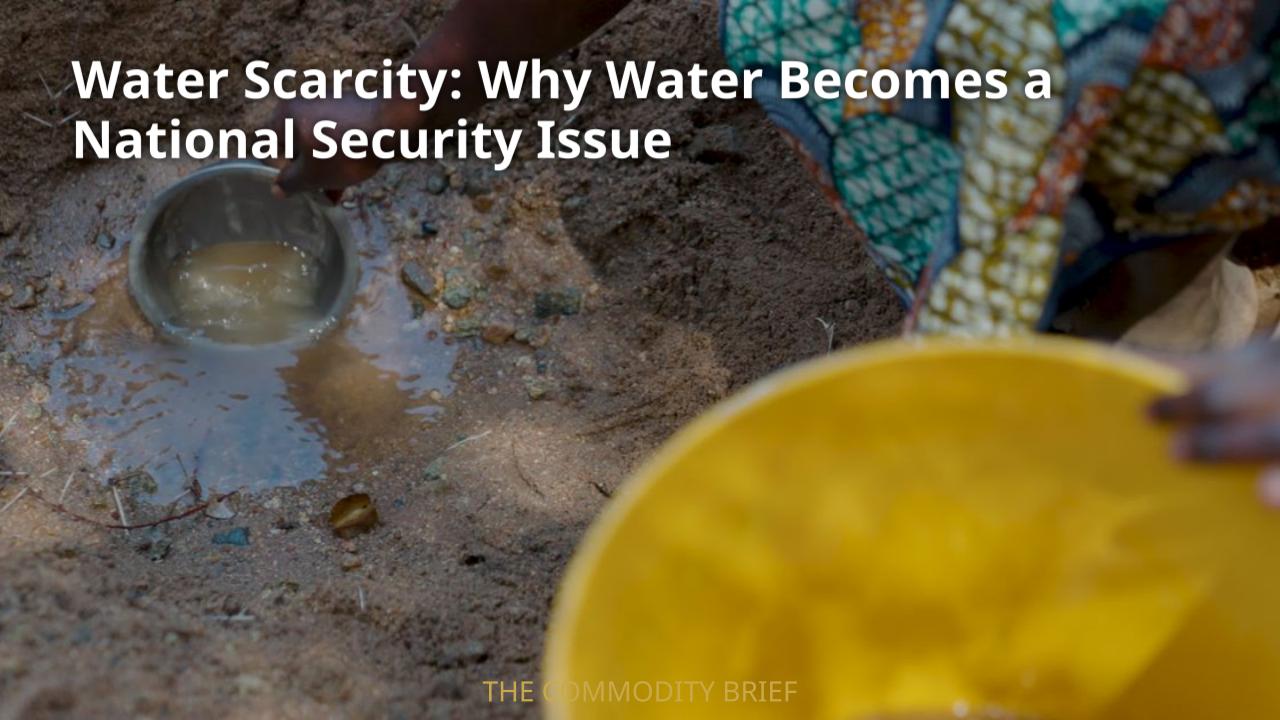
Water scarcity has shifted from a regional crisis to a national security concern, intensifying across breadbasket states as drought persists and intensifies. Farmers, cities, and manufacturers now compete for the same drop of water that powers farms, factories, and jobs. Regulators reassess allocations, adopt new pricing signals, and engage in legal fights over who owns and who can use what flows. Investors are watching these shifts much like moves in interest rates, because water costs bleed into food prices, energy, and even bond yields. The topic matters right now because climate data point to record lows in reservoirs and shifting river rights that create fresh bargaining power and elevated risk for water-dependent economies.
A Legal and Physical Backbone: How Water Rights Shape Access
Water rights systems in the United States blend property law, public policy, and practical governance. Rivers, groundwater basins, and evolving allocations determine who can extract water, how much they can take, and at what price. In dry years, scarcity premium rises; storms provide relief only temporarily; and political fights over senior water rights intensify. The market treats water as an essential input tied to reliability, infrastructure, and governance, not merely a tradable commodity. Think of water like an electricity network: access and availability matter as much as volume, and outages impose immediate costs across crops, cities, and industrial supply chains.
The legal framework sits atop a long evolution. Riparian doctrine—rooted in traditional property adjacent to waterways—interacts with prior appropriation, the senior-rights regime that developed in the arid West to secure irrigation. Water trading began as a drought-driven workaround and evolved into formal markets and compacts that govern interstate flows. The 1922 Colorado River Compact and state water laws still constrain how much water can be moved across borders. Urban growth, aging infrastructure, and climate variability add layers of complexity, creating a fragile system where scarcity triggers negotiation and risk.
From Drought to Markets: Water as an Asset Class
Across infrastructure markets, water scarcity is translating into higher headline costs and new risk pricing. Utilities rethink long-term contracts, farmers shift crop mixes toward more drought-tolerant varieties, and grain traders monitor river flows as if they were equity catalysts. Water futures markets have grown in certain basins, while private water-rights portfolios attract capital seeking defensible yields. Cities invest in storage, recycling, and pipeline networks, turning a once quiet input into a strategic asset. Insurance products and credit markets are pricing water risk into balance sheets, mirroring how droughts once whispered about but now appear with higher premium spreads and tighter liquidity.
In practice, the ripple effects touch every corner of the economy. Agricultural exporters face higher input costs as water constraints feed through to prices, while crop choices lean toward drought-resistant varieties such as certain corn hybrids, sorghum, and almonds. Utilities grapple with storage deficits and the need for reservoirs that deliver predictable supply. In finance, asset managers build dashboards for weather and water risk, while insurers price catastrophe exposure against water stress. Real estate developers must assess water availability for new housing and industrial parks, and smaller communities confront aging pipes and rising rates, amplifying inequality in access to a basic resource.
Water is increasingly a geopolitical as well as an economic resource. Borders, treaties, and climate shocks collide as Western states compete for Colorado River allocations while Mexico and California discuss shared basins. Global factors—farmland prices, energy costs, and currency dynamics—interact with drought conditions that stretch government liquidity and test public support for large infrastructure projects. As population centers swell, demand outpaces supply, pressuring import choices and food security. Central banks monitor water stress as a macro-variable because it feeds inflation in agriculture and shapes policy and fiscal resilience.
Beyond national borders, water resilience informs megacity planning and regional governance. Advances in water recycling, desalination, and smart metering could stabilize supply and pricing signals, reducing some of the volatility tied to weather and allocation fights. Governance reforms that improve transparency and reliability will attract capital, while regions with robust storage and clear allotment rules will win early access to investment dollars.
Capital is flowing toward regions with reliable governance and credible drought plans, seeking predictable, defendable cash flows. The market features a spectrum of participants and products:
- Large asset managers building diversified water risk products that couple municipal bonds with insured water infrastructure exposure.
- Hedge funds exploring long-duration water rights in drought zones to capture yields when agricultural prices spike.
- Private equity funds backing water utilities and treatment startups, financing pipes, recycling plants, and desalination projects through project finance structures.
- Retail investors gaining access through ETFs and notes linked to water-stress indices, democratizing exposure to this fundamental input.
In practice, the skirmish for capital favors governance-backed assets with clear pricing mechanisms and resiliency to policy shifts. Regions with strong storage capacity and transparent allotment rules become the first beneficiaries, followed by downstream users seeking price certainty. Traders also chase data on rainfall, reservoir levels, and policy timing to calibrate risk and liquidity expectations.
Bear case scenarios remind us that water markets can underperform if policy stalls or climate events surprise. If storage deficits deepen and interstate allocations tighten beyond forecasts, price volatility could surge even as liquidity tightens, trapping vulnerable projects. An overreliance on infrastructure that underdelivers could push borrowers into distress, threatening municipal budgets and utility balance sheets. A single legal reversal, a drought reversal, or a structural shift in demand could derail even well-funded plans. Additionally, regulatory risk and political backlash might slow development, raise permit friction, or erode confidence in water assets as safe havens. Liquidity gaps could force fire sales and impair diversification.
Retail investors can approach water assets like any other portfolio theme, with discipline and awareness of idiosyncrasies. A prudent playbook includes:
- Start with education by following drought reports, water utility performance, and regional storage data.
- Prefer diversified exposure over single-rights bets to reduce idiosyncratic risk.
- Seek transparent products with clear governance and independent pricing, ideally with liquidity provisions and collateral.
- Rebalance toward sectors with strong water efficiency, such as agtech, desalination, and leak-detection technologies.
- Avoid overpaying for hype; use dollar-cost averaging into seasoned funds or ETFs and maintain a cash buffer to navigate volatility.
- Track annual reports, understand fee structures, and set personal loss limits.
The outlook for water as an asset hinges on climate, technology, and policy alignment. Advances in water recycling, desalination, and smart metering could stabilize supply and pricing signals for investors, while governance reforms could improve reliability and reduce pricing volatility. Regions with robust storage and transparent allotment rules will attract capital first, followed by downstream users seeking price certainty. Traders will continue to chase data on rainfall, reservoir levels, and policy timing. Institutions will temper expectations with scenario planning, stress tests, and long-horizon goals. The core message is simple: patience and discipline remain essential in a landscape where water is both a critical resource and a capital-intensive asset class.
Conclusion: Key Takeaways
- Water is now a macro and micro asset class. Its pricing reflects reliability, governance, and infrastructure as much as volume.
- Legal rights and interstate compacts matter. The Colorado River Compact and related state laws shape who can access water and at what price.
- Prices and policy interact with every stakeholder. From farmers to manufacturers and municipalities, water risk is financial risk.
- Investment opportunities are expanding but require discipline. Diversification, transparent governance, and data-driven timing are essential.
- The long game favors resilience. Advances in recycling, desalination, and smart infrastructure, coupled with clearer governance, will attract capital and stabilize returns over time.
If you found this valuable, subscribe to The Commodity Brief for weekly insights on alternative assets and commodities.


