
Grain Market Outlook: Why Prices and Volatility Are Surging
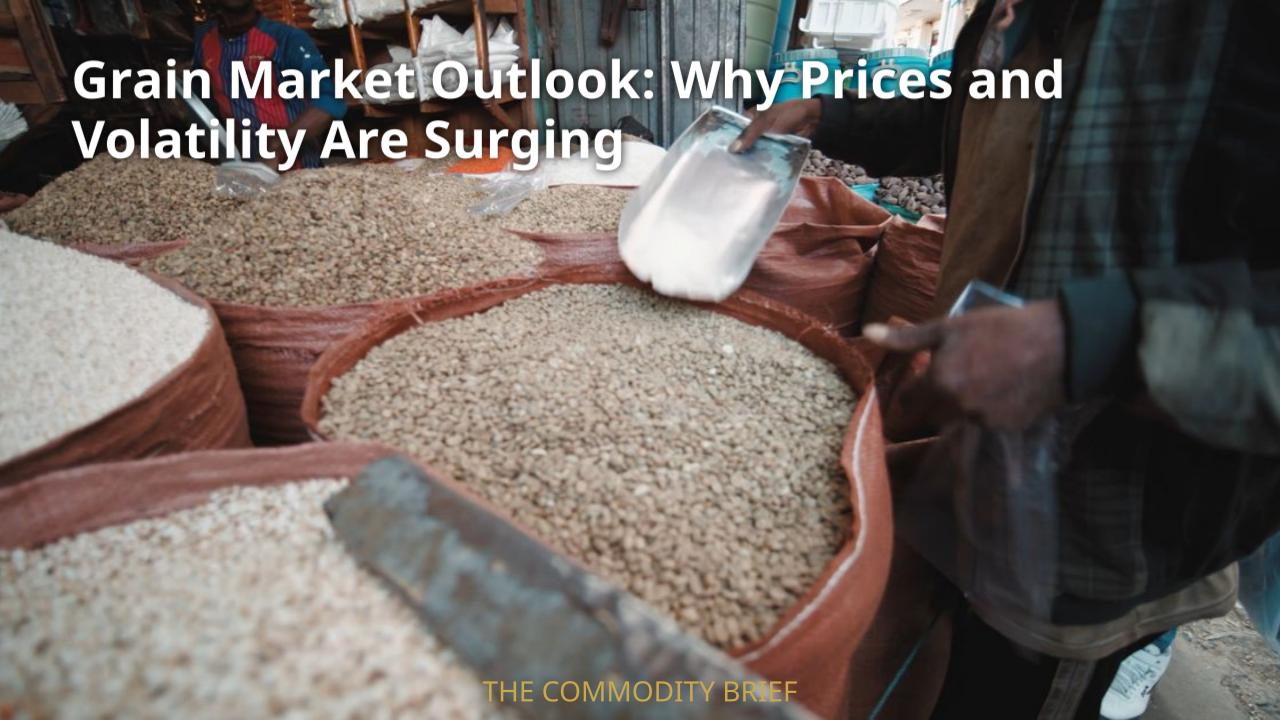
Global food markets are navigating a complex mix of wars, weather, and policy shifts. The FAO Food Outlook signals rising risks that could ripple through prices, household budgets, and supply chains. In this environment, uncertainty travels as quickly as a container ship, touching everything from farmgate income to grocery store shelves. This article expands on the script, adding context, data points, and actionable insights for investors, policymakers, and ordinary households.
Understanding the FAO Food Outlook: what it does and why it matters
The FAO Food Outlook analyzes how supply and demand for global food commodities are shaping price paths and availability. It tracks production forecasts, stock levels, trade flows, and nutrient needs, then translates those inputs into scenarios that help markets price risk. Think of it as a weather forecast for calories: a drought in one breadbasket can push bread, pasta, and feed costs higher worldwide, while strong harvests elsewhere may temper the impact.
Key takeaway: the report emphasizes that harvests can be robust in some regions even as droughts or conflicts tighten supplies elsewhere. The result is higher price volatility and a broader premium for risk across crops and proteins.
What’s driving risk right now
Risk is emanating from a widening set of factors, including:
- Export bans and policy chatter that disrupt trade flows and reset incentives for producers and buyers.
- Weather shocks such as droughts or unseasonal storms that affect yields in major smile breadbaskets.
- Logistics bottlenecks and energy costs that raise freight rates and input prices like fertilizers and fuel.
- Geopolitical frictions, including sanctions and geopolitical realignments, that complicate cross-border flows.
Taken together, these elements produce a pricing environment where hedges, insurance, and inventories take on greater strategic importance for participants across the supply chain.
Market structure and the current response
Today’s markets show a clear “volatility premium” across soft commodities, cereals, and oils. The FAO notes that benchmark prices for wheat and maize have traded within tighter bands than in the most extreme prior years, yet remain well above pre-crisis norms. Traders price weather risk and geopolitical disruptions into futures curves, leading to broader spreads between nearby and deferred contracts. Freight costs, fertilizer prices, and energy proxies further amplify moves, widening the gap between spot prices and longer-dated contracts.
Consumers feel the indirect effects as retailers adjust margins and importers juggle lean inventories. And the market’s sensitivity is not confined to commodity prices alone: currency and bond markets often muddy the picture as risk appetite shifts with headlines.
Historical context: lessons from past cycles
Understanding history helps illuminate today’s dynamics. The 2007–2008 crisis saw price spikes driven by droughts and panic, followed by a rebalancing when supplies improved. In the late 2010s, shifts in biofuel demand and trade liberalization helped shape market structure. The 2020s introduced pandemic disruptions, followed by the Russia–Ukraine conflict and related sanctions. These episodes show that risk can be incremental in the near term but accumulate to create structural shifts in hedging strategies and long-run investment theses.
Who’s exposed, and how they respond
Stakeholders span a broad spectrum, each facing distinct pressures and opportunities:
- Farmers—price swings influence seeding decisions, fertilizer budgets, and access to credit, particularly in drought-prone regions.
- Food manufacturers—input costs can move quarter to quarter, pressuring margins when pass-through to consumers is incomplete.
- Exporters and importers—policy chatter and currency risk shape hedging needs and inventory management.
- Asset managers and pension funds—turn to soft commodities for inflation hedges and diversification against fragile equities.
- Retail investors—use futures, commodity ETFs, and equities as inflation hedges and portfolio diversifiers, while monitoring geopolitical headlines.
Macro and geopolitics: layered risk with central bank repercussions
Geopolitics and macro trends create a multi-layer risk framework. Sanctions and export restrictions can disrupt flow from breadbaskets, while shipping bottlenecks and energy prices push input costs higher. The strength or weakness of the dollar alters import prices for commodity-dependent economies, amplifying or easing inflation pressures. Global growth projections influence demand for higher-value foods, though population momentum sustains long-run consumption. Climate policy, fertilizer supply, and crop insurance regimes continue to shift production incentives, and central banks’ inflation-control efforts filter into commodity markets through risk premia and capital flows.
How smart money approaches diversification and hedging
As uncertainty persists, institutions are increasing exposure to diversified, inflation-linked assets and commodity-linked instruments. Common approaches include:
- Expanding commodity index and energy-linked fund allocations to gain broad exposure to real assets.
- Bundling long-only positions with hedges and option strategies to manage drawdowns while preserving upside potential.
- Prioritizing exposure to high-quality crops with yield resilience and geographic diversification to spread regional shocks.
- Monitoring fertilizer prices and freight routes as early indicators of supply tightness.
Retail investors are increasingly drawn to broad commodity ETFs and futures as a means to hedge against inflation and geopolitical risk. Still, success hinges on a disciplined approach that avoids crowded trades and emphasizes risk controls, liquidity, and transparent management of leverage.
Bear case scenarios: what could derail the outlook
Investors must consider downside paths that could amplify stress across the system:
- A surprise drought in a major wheat belt or a fertilizer shipment disruption that tightens world stocks faster than expected.
- A sharp energy shock or renewed sanctions wave that accelerates inflation and pressures currencies, undermining hedges.
- Intensified climate events or protectionist blocs that lock in supply constraints and keep price spikes persistent rather than temporary.
- Liquidity strains in commodity markets that could choke hedging capacity for farmers and processors.
Practical guidance for retail investors
Retail participants can approach the space with a structured plan. Key ideas include:
- Diversify across a mix of soft and hard commodity exposures rather than chasing a single theme.
- Use a combination of long-only positions, hedges, and option strategies to balance upside with drawdown risk.
- Prioritize crops with resilient yields and geographic diversification to reduce region-specific shocks.
- Avoid over-leverage and implement clear stop-loss concepts.
- Track weather models, fertilizer prices, freight rates, and central bank signals to time entries.
- Maintain sufficient liquidity to adapt quickly as FAO forecasts and headlines evolve.
Rule of thumb: do not allocate a disproportionate share to highly volatile assets at any given moment, especially in uncertain macro environments.
Looking ahead: a volatility regime with a floor, not a panic
The FAO outlook, combined with evolving weather patterns, suggests volatility will remain a defining feature of global food markets. Supply risks could stay elevated, while demand resilience in many regions may cushion prices at a floor level even amid shocks. The path forward will depend on disciplined risk budgeting, diversified exposure, and vigilant monitoring of crop conditions, shipping lanes, and currency movements.
Conclusion: key takeaways for navigating the crowded trade
- Volatility is the new normal: expect persistent price swings as supply shocks and policy shifts play out across regions.
- Diversification and risk discipline matter: a balanced mix of exposures, hedges, and options helps protect against drawdowns.
- Monitor the signals that precede moves: weather forecasts, fertilizer costs, freight routes, and policy signals can provide early warning indicators.
- Stay informed about the macro and geopolitical backdrop: sanctions, currency moves, and shipping constraints can quickly alter the risk-reward calculus.
- Longer-term perspective: while shocks can bite, the growth in demand for staple foods and protein keeps a floor under prices, supporting hedging strategies and selective expenditure in resilient crops.
If you want practical updates on how these factors play out week by week, subscribe and follow The Commodity Brief. If you found this valuable, subscribe for weekly insights on alternative assets and commodities.


